Consistency Over Perfection
Following a routine on most evenings matters more than executing it flawlessly every night. Our guides focus on observation and adjustment rather than performance targets.
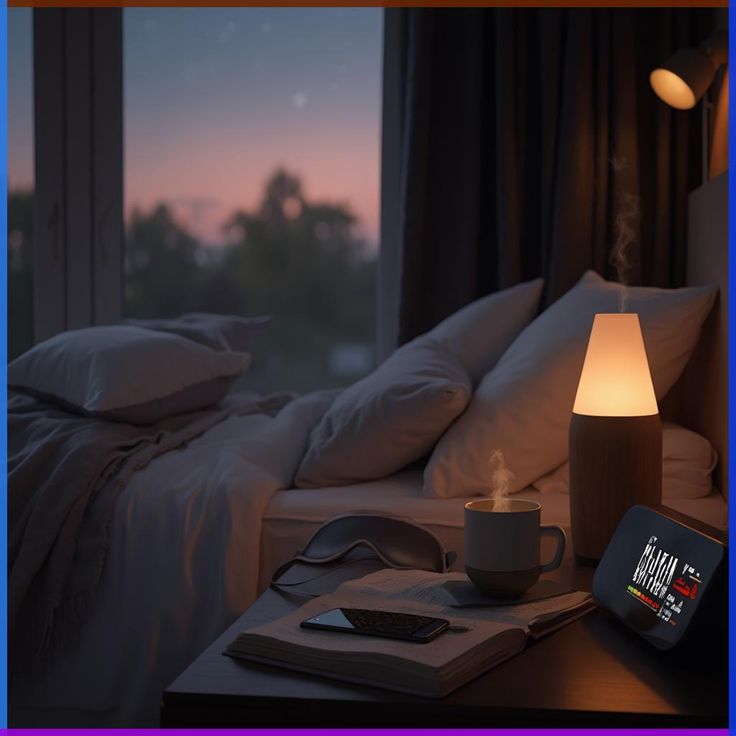
Routines provide repeatable sequences that reduce evening decision-making. Our educational content explains how to design, test, and adjust routines based on your own observations.
We view evening routines as starting points rather than fixed rules. A well-designed routine leaves room for variation while maintaining a recognizable structure you can return to.
Following a routine on most evenings matters more than executing it flawlessly every night. Our guides focus on observation and adjustment rather than performance targets.
Effective routines can combine leisure activities with light preparation tasks where appropriate. We describe options without prescribing specific lifestyle changes.
Seasons change, schedules shift, and routines should evolve accordingly. We recommend quarterly reviews of your evening sequence.
Activities that mark the boundary between work mode and personal time. Examples include changing clothes, brief outdoor walks, or listening to preferred audio content. Duration varies by individual schedule.
Structured approaches to evening meals and hydration. These routines address meal timing and preparation shortcuts without dietary or nutritional prescriptions.
Journaling, gratitude listing, or day-review exercises that help process the hours just passed. We provide prompt libraries rather than prescriptive content.
Light tasks that set up the following morning: laying out clothes, packing bags, or reviewing calendars. These reduce morning friction without extending your active evening significantly.
Spend three evenings noting what you naturally do after arriving home. Record start times and activity durations without attempting changes.
Select one or two activities you already enjoy and would like to protect. These become the fixed points around which other routine elements are arranged.
Arrange three to five activities in chronological order. Keep total active time realistic based on your observations from Step 1.
Follow your draft routine for seven evenings. Note which elements felt natural and which created friction or were skipped.
Revise your sequence based on testing notes. Save the final version as your baseline routine for future reference and seasonal updates.
Physical surroundings can influence how smoothly a routine unfolds. These general suggestions are based on common preferences reported by our consulting clients.
Someone begins with a simple three-step evening sequence and adds one new element each week. This describes a common educational approach and is not a verified testimonial or promised outcome.
Printable worksheets for drafting, testing, and revising evening routines. Includes activity cards and timing grids.
Six short educational videos demonstrating routine design principles with example scenarios for different lifestyles.
Monthly online workshops where participants share routine ideas and receive facilitator feedback. Educational format only.
Our consultants can review your draft routine and suggest adjustments during a guided session.
Contact Our TeamRoutine suggestions on this page are general informational content for personal schedule organisation. They are not designed to address sleep, stress, or health-related conditions. We make no promises about specific outcomes. Consult qualified professionals for matters outside time management education.